Build quality into every machine. Make every improvement stick.
Nearfield Instruments builds high-precision metrology systems for the world's leading semiconductor manufacturers. In our customers' fabs, quality is measured by results: machines that meet specification, pass acceptance with confidence, and perform reliably in production, not by the number of inspections, reports, or closed tickets.
As Quality Excellence Lead, you drive the discipline, structure, and continuous improvement that enables those results as we scale. Your role is to strengthen quality throughout the manufacturing value chain by improving process capability, exposing risks early, eliminating recurring failures, and ensuring quality is designed into our products and processes rather than inspected in afterwards.
You will work closely with Engineering, Operations, Supply Chain, Service and QHSE to identify risks, solve structural quality issues and drive sustainable improvements across the organization. Through expertise, challenge, collaboration and fact-based decision-making, you help ensure that quality remains a visible and measurable driver of customer success. This is a hands-on leadership role, not a reporting or compliance-only role.
Your mandate: execute, verify, improve
• Drive quality excellence across the end-to-end manufacturing value chain. From NPI and suppliers through cleanroom assembly, integration, calibration, test, FAT, SAT and field performance. Engineering, Operations, Supply Chain and Service remain responsible for execution; you provide independent quality oversight, verification, challenge and improvement leadership.
• Build quality into processes and put quality gates where failures can be prevented. Define risk-based controls, acceptance criteria, verification methods and escalation paths. Challenge immature designs, incomplete qualification and uncontrolled changes before they impact production or customers.
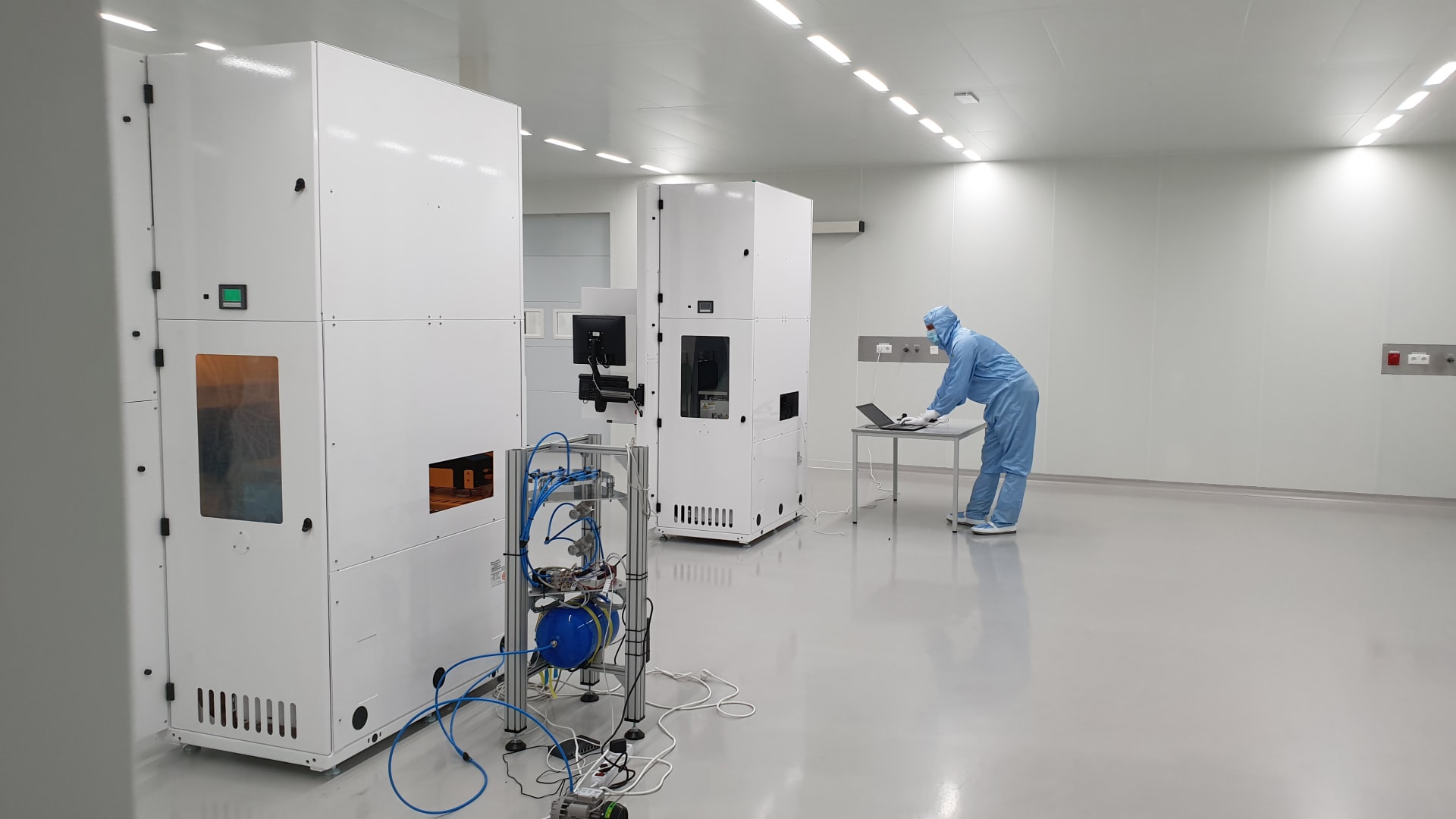
• Drive first-time-right manufacturing. Be visible in engineering reviews, cleanroom operations, assembly, integration and testing environments. Improve process control, traceability, calibration, change management, process capability and execution discipline to reduce rework, variation and escapes.
• Eliminate recurring defects permanently. Lead disciplined root-cause investigations using 8D, CAPA, Lean Six Sigma and other structured problem-solving methodologies. Ensure root causes are proven, corrective actions are validated and improvements remain effective over time.
• Make NPI and supplier readiness real. Challenge process capability, qualification readiness, risk assessments, supplier performance and manufacturing preparedness. Ensure risks are addressed before impacting customers.
• Protect customer operations. Use FAT, SAT, reliability data, customer feedback and field performance to identify weaknesses in internal controls. Ensure improvements are implemented across Engineering, Manufacturing, Supply Chain, Service and the installed base.
• Create one quality performance picture. Use quality, manufacturing, reliability and operational data to drive decision-making and prioritization. Focus on measurable improvements in first-pass yield, first-time-right performance, reliability, customer acceptance, defect escapes, cost of poor quality and recurring failures.
• Strengthen the Quality Management System. Support and improve ISO 9001 processes, quality assurance practices, audits, traceability and governance mechanisms. Ensure quality processes remain practical, effective and scalable while supporting operational excellence and business growth.
How you will work - not just what you will improve
• Every day: get to the point of failure. Know the highest-risk issues affecting builds, deliveries and customers. Review new and repeating failures, affected machine populations, containment effectiveness, accountable owners, deadlines and blockers. Go to the cleanroom, test area or customer issue team when evidence or execution is missing.
• Every week: force structural progress. Lead focused cross-functional reviews with Engineering, Operations, Supply Chain, Product Management, Service and QHSE where appropriate. Challenge weak root-cause claims, remove blockers, make explicit decisions and verify that high-impact corrective actions are implemented across all relevant products, processes and installations.
• Every month: demonstrate measurable improvement. Present quality trends and decisions to leadership: where defects are reducing, where they recur, which controls or quality gates are failing and which changes will improve customer outcomes. Adjust priorities and improvement activities based on evidence.
Your definition of “closed”: a repaired machine or temporary containment is not closure. A critical issue is closed only when the root cause is demonstrated, the corrective action is validated, the affected population is addressed and effectiveness is checked over time.
Decision rights and accountability
You are expected to operate independently and objectively when evaluating product quality, process performance, and operational risks.
You have the authority to challenge assumptions, escalate unresolved quality concerns, question unsupported conclusions, and recommend containment or corrective actions when quality performance is at risk.
You do not replace Engineering as design owner or Operations as execution owner. Your responsibility is to ensure quality concerns are identified, evidence is available, risks are visible, and improvement actions are followed through to completion.